Exploring Krio History: Stories from Sierra Leone
- Elaine Nwokolo
- Apr 13
- 4 min read

Sierra Leone is a country rich in history, culture, and diversity. Among its many ethnic groups, the Krio people stand out as a unique community with a fascinating past. The Krio are descendants of freed slaves from the Americas and the Caribbean, who settled in Sierra Leone in the late 18th and early 19th centuries. Their story is one of resilience, adaptation, and cultural fusion. In this blog post, we will explore the history of the Krio people, their contributions to Sierra Leonean society, and the challenges they have faced over the years.

The Origins of the Krio People
The Krio people trace their roots back to the resettlement of freed slaves from Britain, the United States, and the Caribbean. In 1787, the British established a settlement in Sierra Leone for these freed slaves, which marked the beginning of the Krio community. The name "Krio" itself is derived from the word "Creole," reflecting their mixed heritage.
The Arrival of Freed Slaves
The first group of freed slaves arrived in Sierra Leone in 1787, and they were primarily from London. Over the years, more groups followed, including those from the Caribbean and the United States. These individuals brought with them various cultural influences, languages, and traditions, which would eventually shape the Krio identity.
Cultural Fusion
As the Krio community grew, so did their cultural practices. They blended elements from African, European, and Caribbean cultures, creating a unique identity. The Krio language, a creole language based on English, emerged as a means of communication among the diverse groups. Today, Krio is widely spoken in Sierra Leone and serves as a unifying language among different ethnic groups.
The Role of the Krio in Sierra Leonean Society
The Krio people have played a significant role in the development of Sierra Leone. Their contributions span various sectors, including education, politics, and commerce.
Education and Literacy
The Krio community has historically placed a strong emphasis on education. They established some of the first schools in Sierra Leone, which contributed to higher literacy rates among the population. Notable figures such as Dr. Edward Wilmot Blyden, a prominent educator and politician, emerged from the Krio community, advocating for the rights of Africans and promoting education as a means of empowerment.
Political Influence
Throughout Sierra Leone's history, the Krio people have held influential positions in government and politics. They were instrumental in the country's early governance structures and played a crucial role in the fight for independence from British colonial rule. The Krio's political engagement has shaped the nation's policies and development.
Economic Contributions
The Krio community has also made significant contributions to Sierra Leone's economy. They were involved in trade, agriculture, and various businesses, helping to establish a thriving economy. Their entrepreneurial spirit has led to the creation of numerous businesses, contributing to job creation and economic growth.
Challenges Faced by the Krio Community
Despite their contributions, the Krio people have faced numerous challenges throughout their history. These challenges have shaped their identity and resilience.
Colonial Legacy
The legacy of colonialism has had a lasting impact on the Krio community. While they were initially seen as a privileged group due to their education and connections with the British, the rise of nationalism in the mid-20th century led to tensions between the Krio and other ethnic groups. This shift resulted in a decline in their political and economic influence.
Civil War and Displacement
The civil war in Sierra Leone, which lasted from 1991 to 2002, further exacerbated the challenges faced by the Krio community. Many Krio individuals were displaced from their homes, and the conflict disrupted their social and economic networks. The war also led to a loss of lives and property, leaving a lasting scar on the community.
Identity and Integration
In the post-war era, the Krio people have grappled with issues of identity and integration. As Sierra Leone continues to rebuild, the Krio community seeks to maintain its cultural heritage while also embracing the diverse identities that exist within the nation. This balancing act is crucial for fostering unity and understanding among different ethnic groups.
The Resilience of the Krio People
Despite the challenges they have faced, the Krio people have demonstrated remarkable resilience. They continue to celebrate their cultural heritage while adapting to the changing landscape of Sierra Leone.
Cultural Celebrations
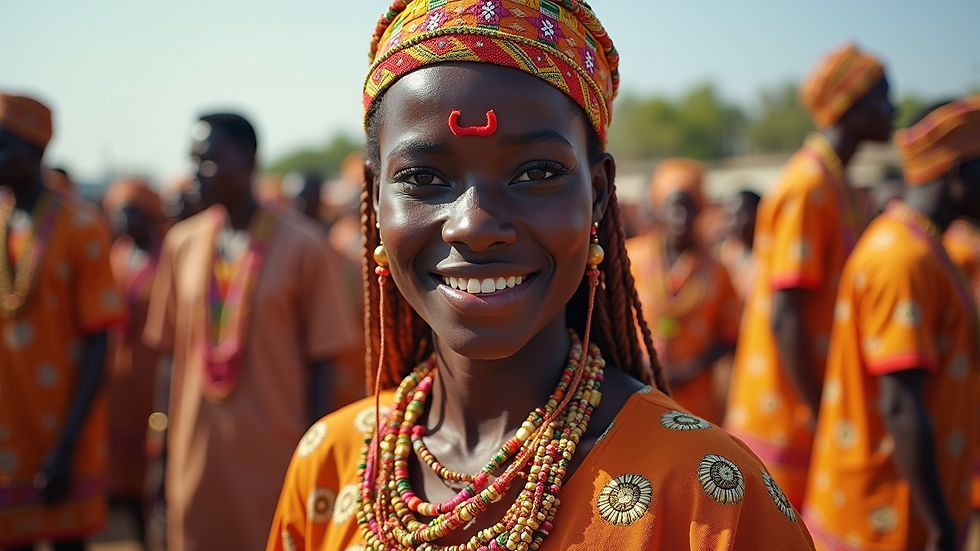
The Krio community actively participates in cultural celebrations that showcase their unique traditions. Events such as the Krio Heritage Festival highlight their music, dance, and culinary practices. These celebrations serve as a reminder of their rich history and foster a sense of pride within the community.
Community Initiatives
In recent years, the Krio people have initiated various community programs aimed at promoting education, health, and economic development. These initiatives focus on empowering the younger generation and ensuring that the Krio legacy continues to thrive.
Bridging Divides
The Krio community plays a vital role in bridging divides among different ethnic groups in Sierra Leone. Their history of cultural fusion and adaptability positions them as mediators in fostering unity and understanding. By promoting dialogue and collaboration, the Krio people contribute to the nation’s social cohesion.
Conclusion
The history of the Krio people is a testament to resilience, adaptation, and cultural richness. From their origins as freed slaves to their significant contributions to Sierra Leonean society, the Krio community has navigated numerous challenges while maintaining their unique identity. As Sierra Leone continues to evolve, the Krio people remain a vital part of the nation’s narrative, embodying the spirit of unity and cultural diversity.
As we reflect on the stories of the Krio, let us recognize the importance of preserving cultural heritage and fostering understanding among all ethnic groups in Sierra Leone. The journey of the Krio people is not just a story of the past; it is a living narrative that continues to shape the future of Sierra Leone.

Comments