Preserving Krio Culture: A Global Initiative
- Elaine Nwokolo
- Apr 13
- 3 min read

Krio culture, with its rich history and vibrant traditions, is a unique blend of African, European, and Caribbean influences. Originating from the Sierra Leone Creole people, Krio culture is not just a way of life; it is a testament to resilience, adaptation, and the enduring spirit of a community. As globalization continues to shape our world, the need to preserve and promote Krio culture has never been more critical. This blog post explores the significance of Krio culture, the challenges it faces, and the global initiatives aimed at its preservation.
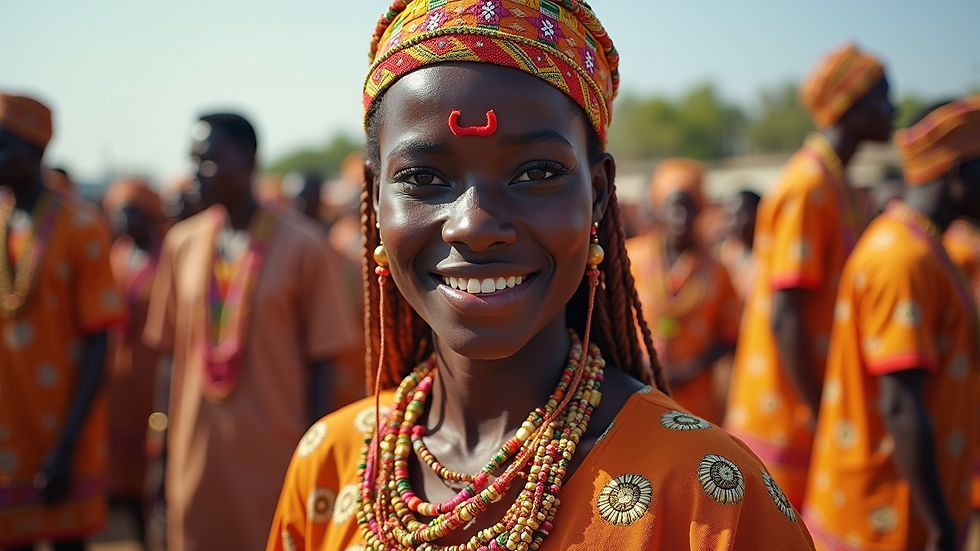
Understanding Krio Culture
Historical Background
Krio culture emerged in the late 18th century when freed slaves from the Americas, the Caribbean, and Britain settled in Sierra Leone. These settlers, known as the "Krios," brought with them various cultural practices, languages, and traditions. Over time, they blended their customs with those of the indigenous African populations, creating a unique cultural identity.
Key Elements of Krio Culture
Language: The Krio language, an English-based Creole, serves as a unifying factor among the Krio people. It is not only a means of communication but also a vessel for cultural expression.
Cuisine: Krio cuisine is a delightful fusion of flavors, featuring dishes such as jollof rice, cassava, and groundnut stew. Food plays a central role in community gatherings and celebrations.
Music and Dance: Music is integral to Krio culture, with genres like palm wine music and traditional drumming being prominent. Dance is often a communal activity, reflecting the joy and vibrancy of Krio life.
Festivals and Celebrations: Events such as the Krio Festival and the Freetown Carnival showcase the rich cultural heritage of the Krio people, attracting both locals and tourists.
The Challenges Facing Krio Culture
Globalization and Cultural Homogenization
As the world becomes increasingly interconnected, unique cultures often face the threat of dilution. Globalization can lead to the overshadowing of local traditions by dominant cultures. For the Krio people, this means that their customs, language, and practices risk being forgotten or replaced.
Urbanization
Rapid urbanization in Sierra Leone has led to significant changes in lifestyle. Many young Krios are moving to urban areas for better opportunities, often leaving behind their cultural roots. This migration can result in a generational gap where traditional practices are not passed down.
Economic Pressures
Economic challenges can also impact cultural preservation. As communities focus on survival and economic stability, cultural practices may be deprioritized. This shift can lead to a loss of traditional knowledge and skills.
Global Initiatives for Preservation
Cultural Exchange Programs
Cultural exchange programs play a vital role in promoting Krio culture globally. These initiatives allow for the sharing of traditions, language, and art forms with a broader audience. For example, partnerships between Sierra Leonean artists and international organizations can lead to collaborative projects that highlight Krio culture.
Educational Initiatives
Education is a powerful tool for cultural preservation. Schools in Sierra Leone are increasingly incorporating Krio language and cultural studies into their curricula. This approach ensures that younger generations understand and appreciate their heritage.
Community Engagement
Local communities are at the forefront of cultural preservation efforts. Initiatives that encourage community participation, such as workshops, festivals, and cultural fairs, help to keep traditions alive. Engaging the youth in these activities fosters a sense of pride and belonging.
Digital Preservation
In the digital age, technology offers new avenues for cultural preservation. Online platforms can be used to document and share Krio traditions, music, and stories. Social media campaigns can raise awareness and connect the Krio community worldwide.
The Role of the Diaspora
The Krio diaspora plays a crucial role in preserving and promoting their culture. Many Krios living abroad actively engage in cultural activities, from organizing events to sharing traditional recipes and stories online. This global network helps to keep the culture vibrant and accessible to future generations.
Case Study: The Krio Heritage Foundation
The Krio Heritage Foundation is an example of a successful initiative aimed at preserving Krio culture. Founded by members of the diaspora, the foundation focuses on education, cultural exchange, and community engagement. Through workshops, scholarships, and cultural events, the foundation has made significant strides in promoting Krio heritage both in Sierra Leone and abroad.
Conclusion
Preserving Krio culture is not just a local concern; it is a global initiative that requires collective effort. By understanding the challenges and actively participating in preservation efforts, we can ensure that the rich traditions of the Krio people continue to thrive. Whether through education, community engagement, or digital initiatives, every action counts. Let us celebrate and support the vibrant tapestry of Krio culture, ensuring it remains a vital part of our global heritage.
As we move forward, consider how you can contribute to the preservation of Krio culture. Attend a local event, learn the language, or share your experiences with others. Together, we can make a difference.


Comments